
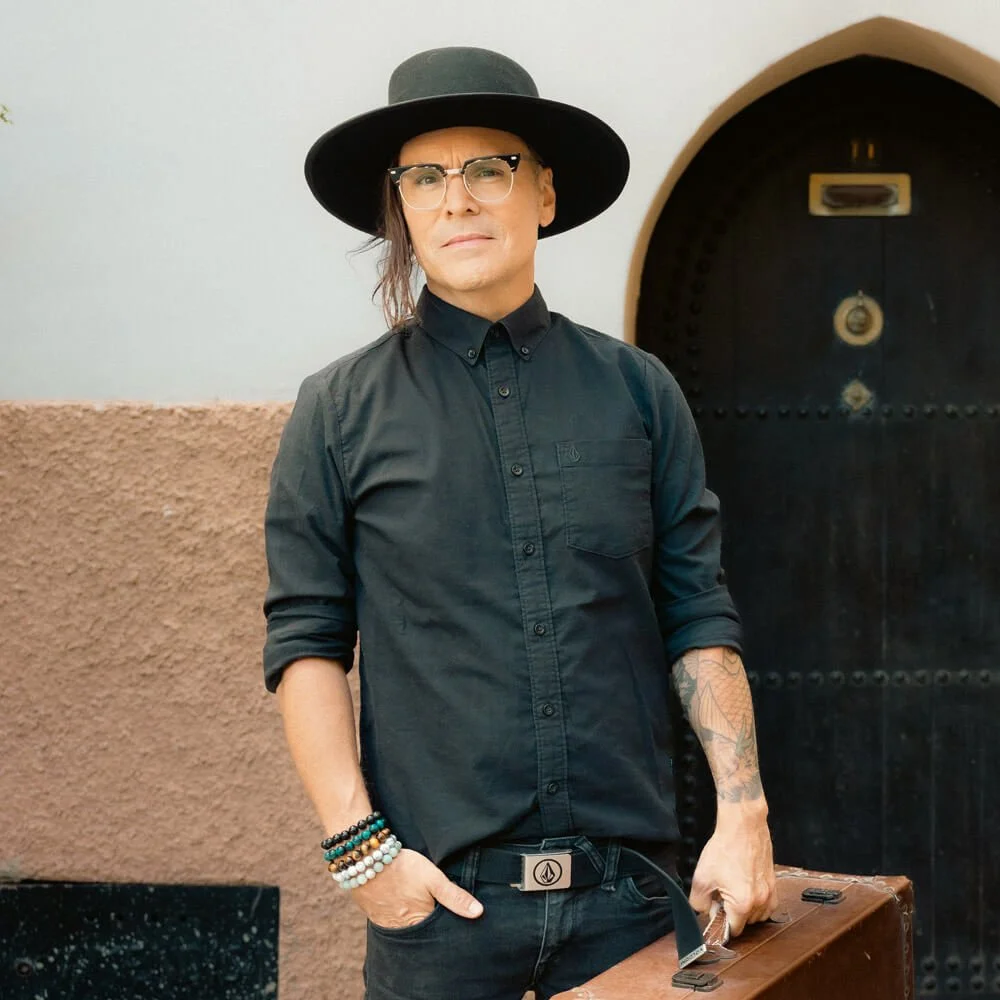
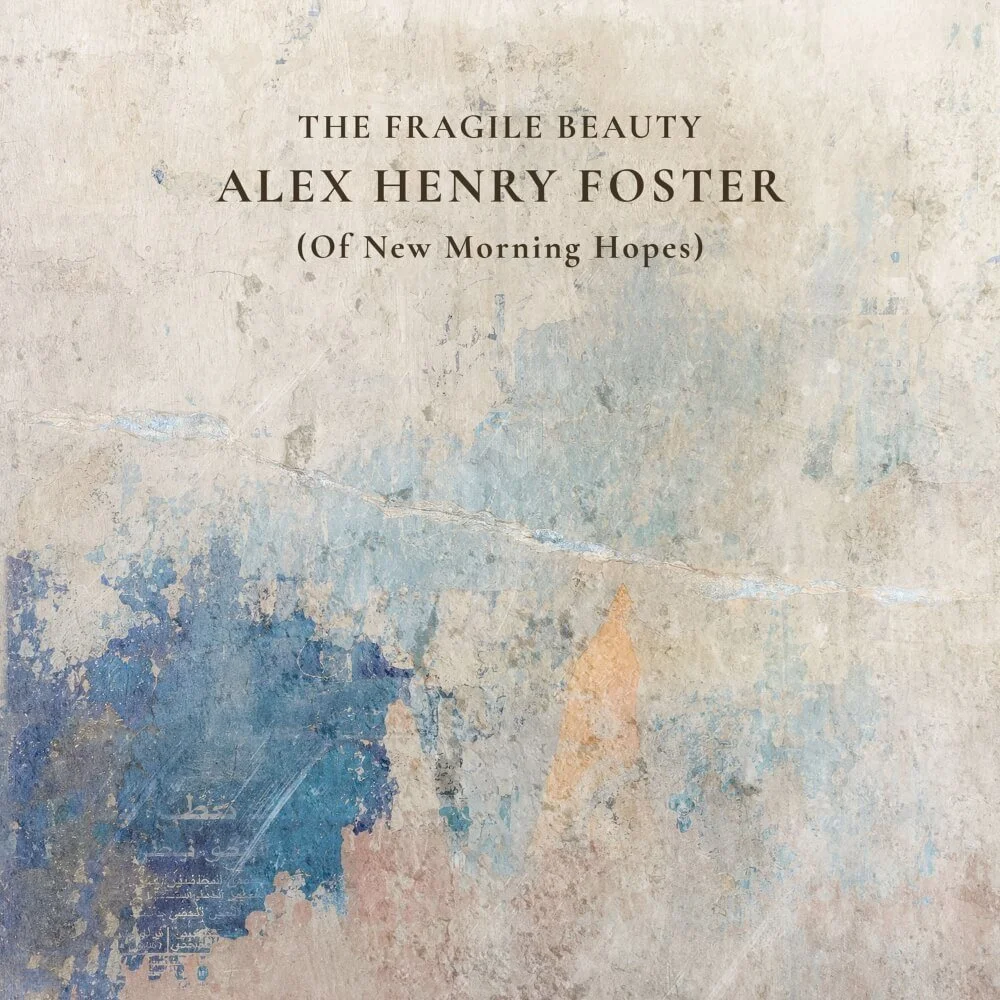
Alex Henry Foster has lived many lives. In each new chapter, something reveals itself to him, and each time, that plays out in his music. His latest effort, The Fragile Beauty (of New Morning Hopes), is the result of finding himself yet again, reflecting on how after a loss of self he accepted his newfound light rather than standing in his own shadow.
Alex’s first life began in Montreal. His family moved around the city and its suburbs a lot when he was kid and he was often ill. Music was a stabilizing force. On Friday nights, he would listen to vinyl records with his dad, Led Zeppelin and Black Sabbath resonating through the house, and on Saturday mornings he danced in the kitchen with his mom to Elvis and Little Richard. As a teenager, he began to discover his own taste in music, from The Cure to Bauhaus to Joy Division. He frequented concerts in the city and began playing in punk bands. But his neighborhood was rough and violent and he felt like an outcast at school because his family moved around so often. A chance meeting at a record store led to him joining a gang.
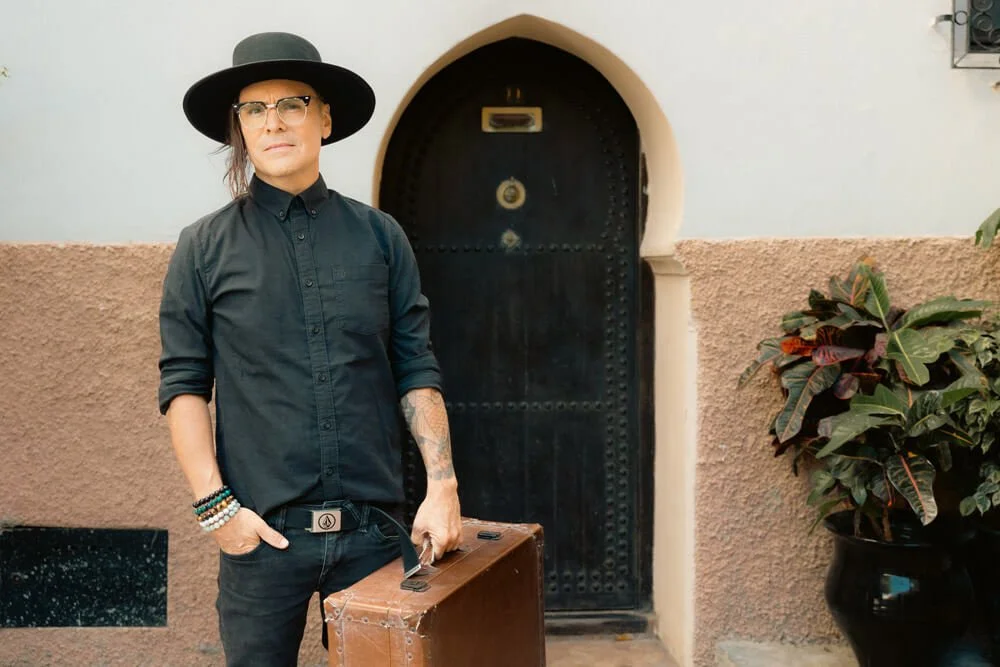
Alex Henry Foster

“For about five years I was involved in those groups, which was very intense and very violent,” he recalls. “I was too young to understand the ramifications of it all. When I went to college I realized the price to pay for me to remain in those groups was too heavy. But music was always there for me.”
In Alex’s second life, he became interested in social work, hoping to give back after years of struggle. He moved to Haiti for three months at 19 while still in college. There he played concerts in a local park and created a calming force in a turbulent area. He worked with Amnesty International and War Child, and spent time in Japan in an effort for suicide prevention of young men. The music he was making on the side with Sef Lemelin became more serious and soon people online were requesting his songs and asking them to play shows. That collaboration transformed into Your Favorite Enemies, Alex’s first real band and his third life.
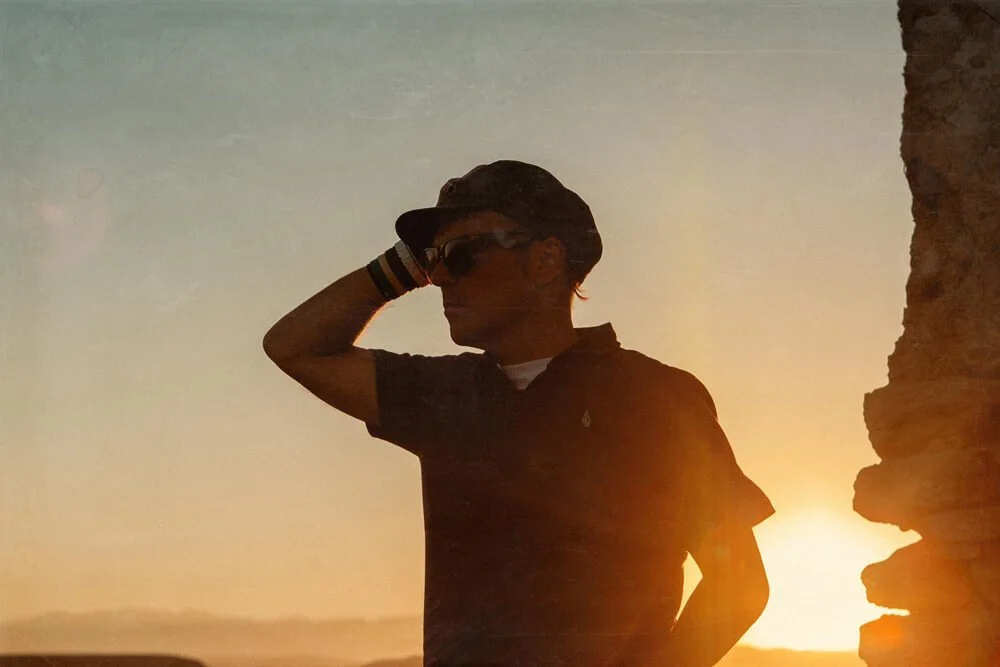
“Everything evolved pretty quickly,” he says. “We began recording things. We played gigs locally and even a few around Canada. We didn’t know anything—we learned it all from scratch.”
Your Favorite Enemies released their debut EP, And If I Was To Die In the Morning… Would I Still Be Sleeping With You, in 2007 via their own record label, Hopeful Tragedy Records. It was notably successful for an indie release and led to a European tour, then a tour of Japan, then more albums, then a tour of China. In 2009, they acquired a church in Montreal and transformed it into a professional recording studio. In 2015, their album Between Illness and Migration was nominated for a Juno Award for Rock Album of the Year. In the midst of it all, Alex’s dad, a longtime alcoholic, died. Although he had turned his life around and recovered prior to his death, the loss was complicated for Alex. He was overwhelmed by the weight of the band, by his own depression and by his grief.
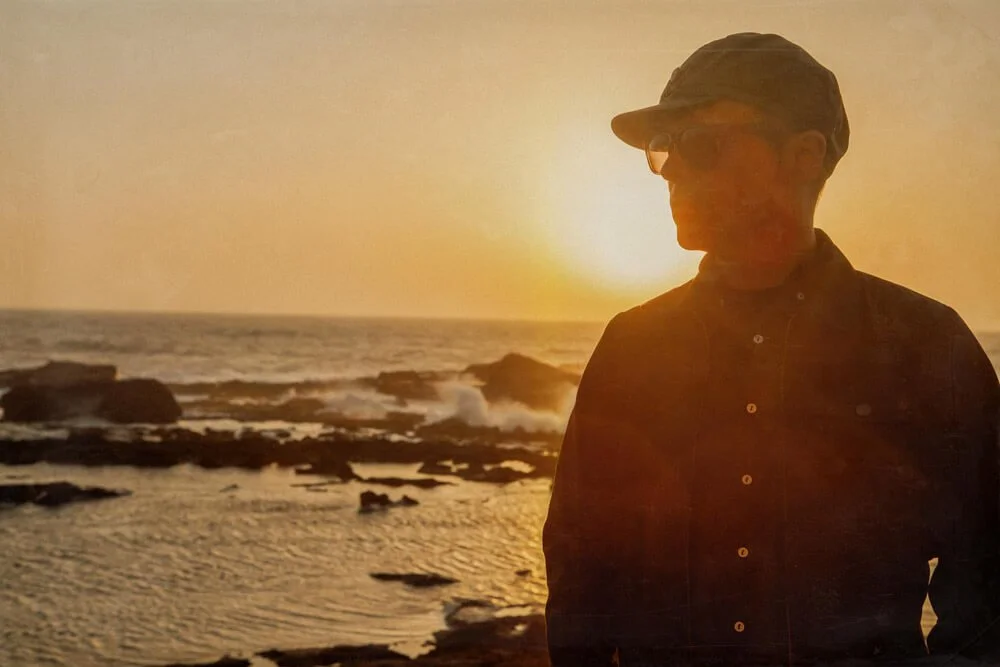
“I felt trapped because the focus was so much on myself from media and from fans, and I wasn't ready for that,” he says. “I felt pretty isolated from the other guys. I became really miserable. I was putting on my uniform, performing and trying to survive until the next gig. And then my father died. It was a big eye-opener for me.”
After his dad died, Alex stuck it out in the band for another year. In 2016, Alex decided to bring the band to Morocco. He was in search of new colors, different sensations and sounds. After three weeks, he knew he had to leave Your Favorite Enemies behind and start his fourth life. It took a few months to officially depart, but Alex knew he couldn’t keep on pretending. He returned to Morocco and wrote his first solo album, Windows in the Sky, which he released in 2018. The album, which earned an ADISQ Award nomination for Anglophone Album of the Year and reached No. 1 on the Canadian iTunes all-genres chart, grappled with his uneasy relationship with his father and his complicated family history.
“Not only was I able to grieve, but I was finally able to look at myself for the person I was and to accept what I had become through the years,” he says. “When you’re in a band it’s about what’s best for the group.”
Alex didn’t have any plans to continue touring. He moved to the mountains of Virginia for a quieter existence. But fans began to write to him detailing how much his new songs had helped them. And he began to write hand-written letters back to them, spending nearly a year corresponding with his listeners. In the summer of 2019, he agreed to perform at the Festival International de Jazz de Montréal and it spiraled from there. This life, his solo career, was about creating authentic music outside of the established system. Once he got back on the road, no show was the same. Everything morphed and expanded on stage, free of form and genre, and Alex completely released himself from the shackles of expectation. “I’m trying to touch the invisible,” he explains. “I’m not interested in repeating the same thing every night. It’s always something else.”
During the pandemic, Alex acquired a hotel in Tangier, La Maison de Tanger. He later bought a second one and added a recording studio, attracting musicians, writers and authors like Jon Batiste and Belinda Carlisle. Once the world opened back up, Alex got back on the road. He toured extensively in the summer of 2022 and had several flash strokes, which he thought were due to exhaustion and heat. Just to be sure, he went in for a routine check that turned to not be so routine.
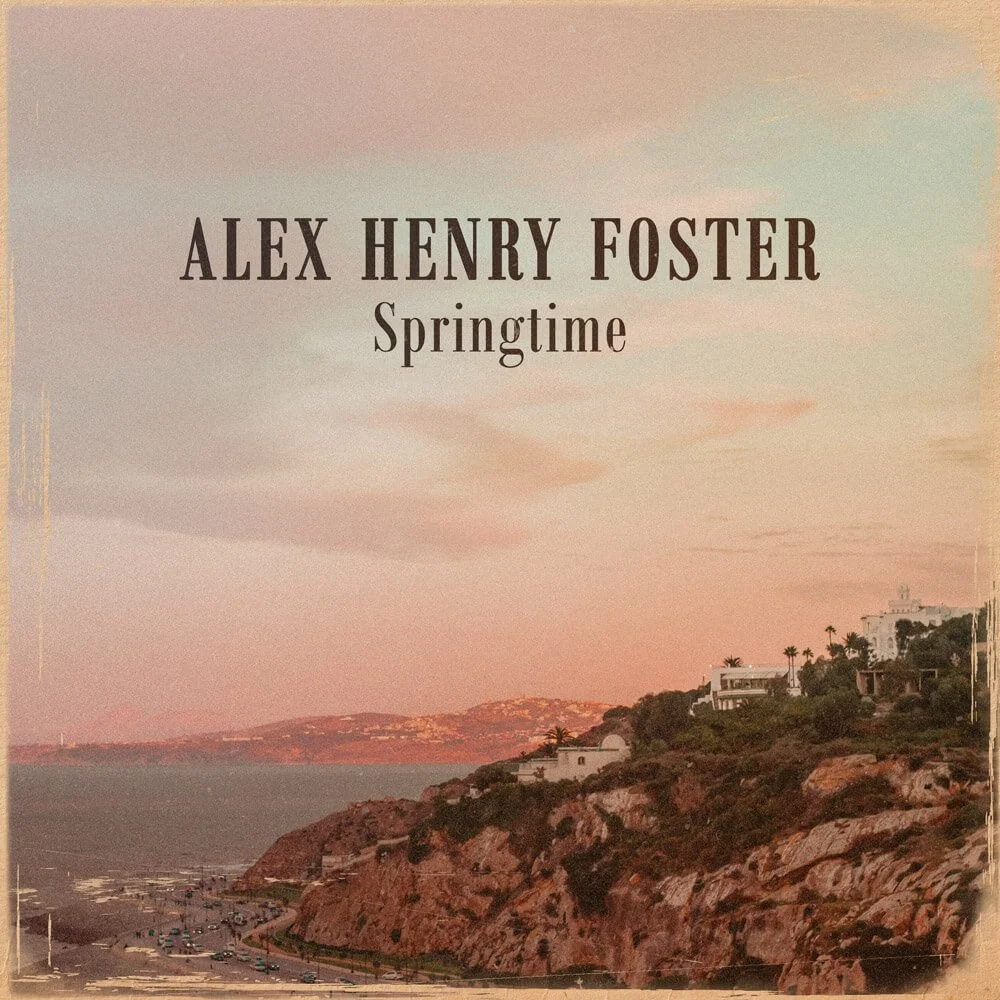
In early 2023, Alex underwent emergency heart surgery and died on the table several times. While healing, he wrote and recorded two collections of songs, Kimiyo and A Measure of Shape and Sound. But it’s The Fragile Beauty (of New Morning Hopes) that deals with how the experience completely rewired his brain. Its first single, “Springtime,” invokes the confusion of being inside his body. “I was completely lost and I had to reinvent myself,” he remembers. “I had to rebuild myself as an artist to be in the context of the now.”
The album’s second single, “Siren’s Call,” expands Alex’s story beyond himself. He witnessed the beauty and pain surrounding him, particularly in the melting pot of cultures in Tangier, and began to understand how the beauty actually grows from the pain and then transforms you. Ultimately, The Fragile Beauty (of New Morning Hopes) is the first of five albums in a broader series, written and recorded between Virginia, Morocco and Canada. They are Alex’s fifth life, his reinvention and his acceptance of the inevitability of change. They are about his love for places and for community and for pure human connection. They are about making peace with yourself in each life you live. “I wondered, when I came back, if everything I did would be a copy of what I did before,” he says. “I didn’t want to become a shadow of myself. I decided to discover and embrace this new self instead of being scared I’d lost something essential. This is just another evolution.”



press releases


explore more clients

Alencia Johnson
Author

Liam St. John
Musical Artist

Straight No Chaser
Musical Artist

Dexter And The Moonrocks
Musical Artist


